
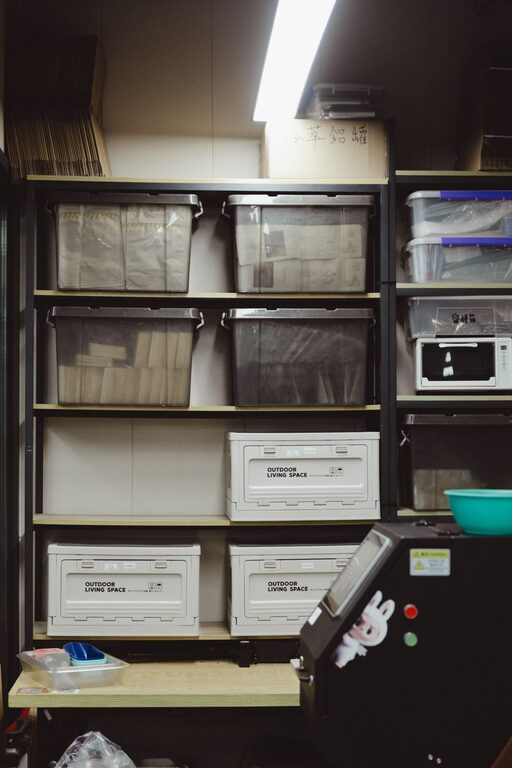
Small spaces can feel comfortable, functional, and organized with the right storage plan. The goal is not to fit more things into every corner. It is to make each item easy to find while using space that often goes unnoticed, such as walls, doors, the area under the bed, and the backs of cabinets.
Whether you live in a small apartment, a compact house, or simply have one crowded room, these storage ideas can help you create more usable space without making your home feel packed.
Start With a Simple Storage Plan
Before buying baskets, shelves, or organizers, take a quick look at what you own. Storage works best when it matches your daily habits and the items you need to keep.
Begin with these steps:
- **Remove items you no longer use.** Donate, recycle, or discard things that are broken, duplicated, or no longer useful.
- **Group similar items together.** Keep books with books, cleaning supplies with cleaning supplies, and seasonal clothing in one place.
- **Measure available areas.** Check the width, height, and depth of closets, cabinets, and open wall space.
- **Store frequently used items within easy reach.** Less-used items can go higher up or farther back.
- **Choose storage that fits your space.** A narrow shelf may work better than a deep cabinet in a small room.
A useful rule is to give every item a specific home. When storage has a clear purpose, it is easier to keep the room tidy.
Use Vertical Space
When floor space is limited, look up. Walls can provide valuable storage without taking up much room.
Install Wall-Mounted Shelves
Floating shelves are useful in living rooms, bedrooms, kitchens, and bathrooms. Use them for books, small plants, framed photos, folded towels, or everyday supplies.
For a neat appearance, avoid filling every inch of the shelf. Leave some open space between items, and use a few matching containers to keep small objects together.
Add a Pegboard
A pegboard can be customized with hooks, baskets, and small shelves. It works especially well in:
– Kitchens for utensils and cooking tools
– Home offices for supplies
– Entryways for keys and bags
– Craft areas for materials
– Garages for lightweight equipment
Because the accessories can be moved, a pegboard can change as your storage needs change.
Try Tall Furniture
A tall bookcase or narrow cabinet can hold as much as a wider piece while using less floor space. Choose furniture that reaches close to the ceiling, then place less-used items on the top shelves.
Use a small step stool that can be stored nearby. For safety, anchor tall furniture to the wall according to the manufacturer’s instructions.
Make Furniture Work Harder
In a small home, furniture should ideally serve more than one purpose.
Choose Storage Beds and Ottomans
A bed with drawers or lift-up storage can hold extra bedding, clothing, shoes, or luggage. If replacing the bed is not practical, use flat containers under the existing frame.
Storage ottomans are another flexible option. They can serve as seating, a footrest, and a place to store blankets, toys, or magazines.
Use a Lift-Top Coffee Table
A lift-top coffee table provides a work surface and hidden storage. It can hold remote controls, notebooks, chargers, and other items that tend to collect in the living room.
Look for a design with a smooth lifting mechanism and enough space to keep the tabletop useful without making it too heavy.
Add a Narrow Console
A slim console table can fit behind a sofa, along a hallway wall, or near an entryway. Choose one with drawers or a lower shelf to store keys, mail, bags, and small household items.
Improve Closet Storage
Closets often have unused vertical space and areas that are difficult to reach. A few simple changes can make them much more efficient.
Double the Hanging Space
A second hanging rod can create another level for shirts, skirts, or folded pants. Place it below the existing rod, leaving enough room for clothing to hang comfortably.
For longer items such as coats and dresses, keep one section at full height.
Add Shelf Dividers
Shelf dividers help keep stacks of clothing, towels, and linens upright. They are especially useful for preventing piles from leaning or falling over.
You can also use fabric bins on shelves to group smaller items, such as scarves, belts, or accessories.
Use the Closet Door
An over-the-door organizer can hold shoes, cleaning supplies, toiletries, or small accessories. Select a slim style if the door is close to a wall or another piece of furniture.
Before installing one, make sure the door can still open and close fully.
Organize the Kitchen Efficiently
Kitchen storage becomes easier when cabinets and drawers are arranged according to how often items are used.
Add Pull-Out Organizers
Pull-out shelves or baskets make it easier to reach items at the back of deep cabinets. They are helpful for pots, pans, canned goods, and cleaning supplies.
If you rent or want a simpler option, freestanding sliding bins can provide similar access without permanent installation.
Use the Inside of Cabinet Doors
Attach small racks or adhesive holders to cabinet doors for measuring spoons, pot lids, cutting boards, or food storage bags. Keep the items lightweight so the door remains balanced.
Store Pans Vertically
Instead of stacking baking sheets and cutting boards, place them upright in a divider. This makes each item easier to remove and prevents the entire stack from shifting.
A vertical rack can also be used for pot lids or serving trays.
Keep Counters Clear
Use a wall rail, magnetic strip, or small shelf for tools that you use often. Store less-used appliances in cabinets or on a dedicated shelf instead of leaving them on the counter.
A clear counter usually makes a small kitchen feel larger and easier to use.
Create Order in the Bathroom
Bathrooms often have limited cabinets, but several overlooked areas can provide extra storage.
– Install a narrow shelf above the toilet.
– Use stackable bins under the sink.
– Add a magnetic strip inside a cabinet door for small metal items.
– Place toiletries in labeled containers.
– Use a shower caddy to keep bottles off the floor.
– Add hooks for towels or robes instead of using another bulky rack.
Keep daily products at eye level and reserve higher shelves for backup supplies. This arrangement saves time and prevents cabinets from becoming crowded.
Use Hidden and Overlooked Areas
Some of the best storage locations are easy to miss.
Under the Stairs
If you have space beneath a staircase, consider drawers, pull-out cabinets, or labeled bins. This area can store shoes, sports equipment, household supplies, or seasonal decorations.
Behind Doors
A slim rack behind a bedroom or pantry door can hold shoes, bags, wrapping supplies, or cleaning products. Choose a design that does not interfere with door hardware.
Above Cabinets
The space above kitchen cabinets can hold attractive baskets or containers for items used only occasionally. Keep the area neat by using similar containers and limiting the number of items on display.
Between Furniture and Walls
A narrow gap beside a refrigerator, washer, or cabinet may fit a rolling storage cart. These carts are useful for spices, toiletries, craft supplies, and cleaning products.
Make Small Storage Look Intentional
Storage does not have to look messy or purely practical. A few design choices can help it blend into the room.
Use matching baskets or containers in open areas. Choose colors that complement the room, and add labels so everything is easy to find. Keep similar items together and avoid overfilling shelves.
Leave some empty space around stored items. This makes the room feel calmer and ensures that containers can be removed without moving everything else.
Finally, review your storage every few months. Small spaces can become crowded quickly, especially when new items come into the home. A regular check helps you remove unused belongings and keep your storage system working well.