
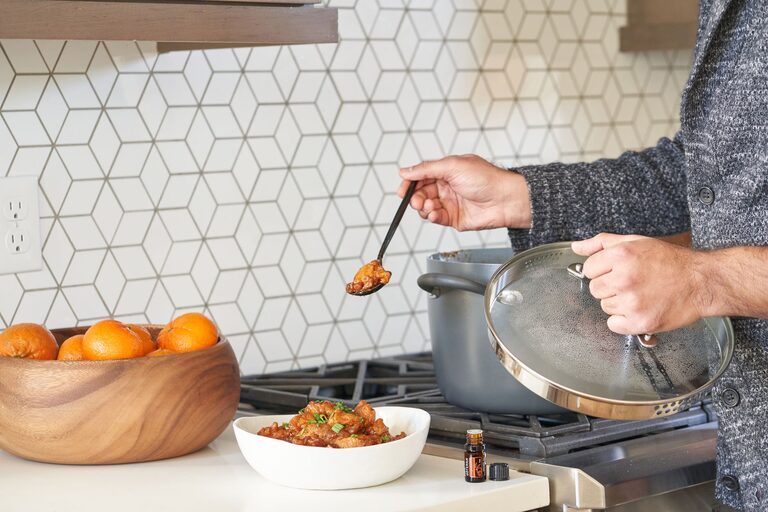
A slow cooker is one of the easiest kitchen tools for making hearty meals with little hands-on effort. It cooks food gently over several hours, allowing ingredients to become tender and flavorful while you handle other tasks.
Whether you are making soup, stew, shredded meat, or a simple bean dish, the basic process is easy to learn. This beginner’s guide explains how a slow cooker works, what ingredients to use, and how to get reliable results.
What Is a Slow Cooker?
A slow cooker is an electric countertop appliance with three main parts:
– A removable cooking pot, often made from ceramic or stoneware
– An outer heating base
– A lid that helps hold in heat and moisture
Most slow cookers have low and high settings, and some include a warm setting. Low heat usually cooks food over a longer period, while high heat shortens the cooking time.
Slow cookers are designed to cook food gradually. This makes them especially useful for tougher cuts of meat, dried beans, root vegetables, soups, and stews.
Choosing the Right Size
Slow cookers come in several sizes. A small model may hold about 1.5 to 3 quarts, while larger models can hold 6 quarts or more.
For most beginners, a 4- to 6-quart slow cooker is a practical choice. It is large enough for family meals but not so large that small recipes become difficult to manage.
Try to fill the cooking pot at least halfway, but avoid filling it more than two-thirds full. An overly full pot may cook unevenly, while an underfilled pot may cook too quickly.
Basic Steps for Using a Slow Cooker
1. Prepare the ingredients
Wash and cut vegetables, trim excess fat from meat, and measure any liquids or seasonings before you begin. Cutting ingredients into similar-sized pieces helps them cook at a similar rate.
Many recipes can be assembled the night before. However, keep refrigerated ingredients cold until you are ready to start cooking.
2. Add ingredients in layers
Place ingredients that take longer to cook near the bottom of the pot. Dense vegetables such as potatoes, carrots, and onions are good choices for the bottom layer.
Place meat on top of the vegetables, then add seasonings and liquid. This arrangement allows heat to circulate around the ingredients and helps the vegetables cook evenly.
3. Add the right amount of liquid
Slow cookers lose less moisture than ovens or stovetops, so you usually need less liquid than you would for a traditional recipe.
Use enough liquid to create steam and prevent the ingredients from drying out, but do not completely cover every ingredient unless the recipe says to do so. Soups may need more liquid, while dishes such as pulled meat often require only a small amount of broth or sauce.
4. Secure the lid
Keep the lid closed while the slow cooker is operating. Every time you lift the lid, heat escapes and cooking may take longer.
If you need to check the food, do so near the end of the suggested cooking time. A glass lid makes this easier without opening the pot.
5. Select the cooking setting
Choose low or high based on the recipe and your schedule. Low is useful when you want a longer cooking time and often works well for stews, beans, and large cuts of meat.
High is helpful when you have less time. As a general guide, a recipe that takes 7 to 8 hours on low may take about 3 to 4 hours on high. Cooking times can vary, so use the recipe’s instructions as your main guide.
Ingredients That Work Well
Slow cookers are flexible, but some ingredients are especially successful.
Meat and poultry
Tougher cuts often work well because the long cooking time helps soften them. Examples include beef chuck, pork shoulder, chicken thighs, and turkey thighs.
Trim large amounts of excess fat before cooking. Too much fat can make the finished dish greasy. Browning meat in a skillet first is optional, but it can add a deeper color and richer flavor.
Vegetables
Root vegetables, onions, cabbage, mushrooms, bell peppers, and squash are commonly used in slow cooker meals. Cut firm vegetables into pieces that are not too small so they hold their shape during cooking.
Fresh leafy greens, peas, and herbs are usually best added near the end. This helps preserve their color, texture, and flavor.
Beans and grains
Dried beans can be used in many slow cooker recipes, but follow the recipe carefully. Some beans require special preparation before they are added.
Rice, pasta, and other grains can become soft or overcooked during long cooking. Add them during the final part of cooking when the recipe calls for them, or cook them separately and stir them in before serving.
Seasoning Slow Cooker Meals
Slow cooking can soften some flavors, so do not be afraid to season thoughtfully. Salt, pepper, garlic, onion, dried herbs, and spices can be added at the beginning.
Fresh herbs, citrus juice, vinegar, and other bright ingredients are often best added near the end. They can make a dish taste fresher and more balanced.
Taste the finished meal before serving. You may need to adjust the salt, pepper, acidity, or thickness.
Common Beginner Mistakes
Filling the cooker too much
An overfilled pot may cook slowly and unevenly. Leave enough space for heat to move around the ingredients.
Adding too much liquid
Because the lid traps moisture, extra liquid may create a thin sauce or watery stew. Start with the amount recommended by the recipe.
Opening the lid repeatedly
Frequent peeking releases heat and extends the cooking time. Trust the process and check only when necessary.
Adding dairy too early
Milk, cream, yogurt, and soft cheeses may separate during long cooking. Add them during the final 15 to 30 minutes when possible.
Cutting vegetables too small
Small pieces may become mushy before the rest of the meal is ready. Use larger, evenly sized pieces for firm vegetables.
Using frozen meat without checking the recipe
Frozen meat can affect cooking time and temperature. For the most consistent results, thaw meat safely in the refrigerator before adding it to the slow cooker unless the recipe specifically provides instructions for frozen ingredients.
Simple First Recipes to Try
Beginners often have success with these easy meal ideas:
– Chicken with vegetables and broth
– Beef and root vegetable stew
– Pulled pork with barbecue sauce
– Lentil and vegetable soup
– Chili with beans, tomatoes, and ground meat
– Apple cinnamon oatmeal
– Slow-cooked tomato sauce
Start with a recipe that has a short ingredient list and clear cooking times. Once you understand how your slow cooker performs, you can begin adapting recipes and creating your own combinations.
Cleaning and Storage Tips
Always unplug the slow cooker before cleaning it. Let the cooking pot cool before washing it, since sudden temperature changes may damage some ceramic inserts.
Many removable pots and lids are dishwasher safe, but check the manufacturer’s instructions first. Wipe the heating base with a damp cloth, and never place the electrical base in water.
Store the slow cooker with the lid slightly open if possible. This allows air to circulate and helps prevent lingering odors.
Final Tips for Success
A slow cooker rewards planning and patience. Prepare ingredients in advance, choose the correct cooking time, and avoid making frequent changes while the meal cooks.
Keep notes about recipes you enjoy, including whether low or high worked best and if the dish needed more seasoning. With a little practice, you will be able to turn simple ingredients into warm, satisfying meals with minimal effort.