
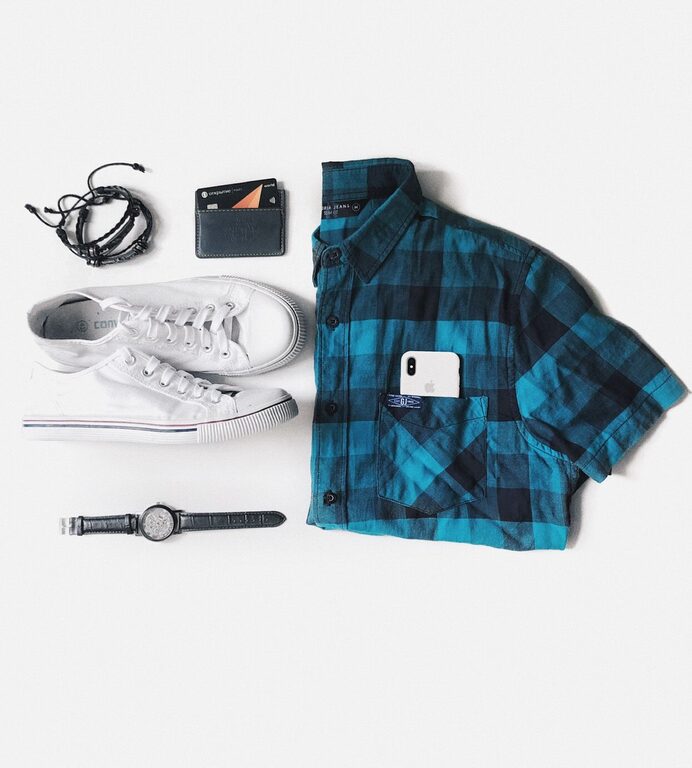
Building a capsule wardrobe is a simple way to make getting dressed easier. Instead of keeping a closet full of items you rarely wear, you choose a smaller collection of useful pieces that work well together.
A basic capsule wardrobe does not have to follow strict rules. It can be casual, professional, colorful, neutral, seasonal, or a mix of all four. The goal is to create a wardrobe that fits your lifestyle and helps you feel comfortable and confident.
What Is a Capsule Wardrobe?
A capsule wardrobe is a curated collection of clothing, shoes, and accessories that can be combined into many different outfits. Most pieces are versatile, easy to wear, and suited to your daily activities.
There is no required number of items. Some people prefer 20 to 30 pieces, while others need more clothing for work, travel, hobbies, or changing weather. A capsule wardrobe should support your routine rather than make it more difficult.
The basic idea is to:
– Keep items you wear regularly
– Choose pieces that coordinate with one another
– Remove clothing that no longer fits your needs
– Shop more thoughtfully
– Make outfit planning faster
Start by Reviewing Your Lifestyle
Before buying anything, consider how you spend most of your time. Your wardrobe should reflect your actual schedule, not an ideal version of your life.
Think about the activities you regularly dress for, such as:
– Working in an office or from home
– Running errands
– Attending social events
– Exercising
– Traveling
– Spending time outdoors
– Relaxing at home
For example, someone who works in a casual setting may need several pairs of comfortable pants and simple tops. Someone who attends formal events regularly may need more polished clothing. If you spend much of the year in a warm climate, lightweight layers may be more useful than heavy sweaters.
Write down the types of outfits you need most often. This list will help you avoid buying items that look appealing but do not suit your everyday life.
Choose a Simple Color Palette
A coordinated color palette makes it easier to combine your clothing. Start with two or three neutral colors, then add a few accent shades.
Common neutral colors include:
– Black
– White
– Gray
– Navy
– Brown
– Beige
– Cream
– Olive
Accent colors can include blue, green, red, yellow, pink, or any shade you enjoy wearing. You do not need to limit yourself to muted colors. The important point is that your main pieces coordinate well.
A simple approach is to choose:
– Two main neutral colors
– One lighter neutral
– Two or three accent colors
– One or two patterns
For example, navy, gray, and white can form a base, while green and rust add variety. If you prefer brighter clothing, use colorful pieces as the foundation and select neutral layers to balance them.
Take Inventory of Your Closet
Set aside time to look at every item in your wardrobe. Try not to make quick decisions based only on whether something is attractive. Consider how often you wear it and whether it works with your current lifestyle.
Create four groups:
- **Keep:** Items that fit well, feel comfortable, and get regular use
- **Repair:** Items that need simple fixes, such as a missing button or loose hem
- **Decide later:** Items you are unsure about
- **Donate or sell:** Items that no longer fit, suit your style, or meet your needs
Ask yourself these questions:
– Does this item fit comfortably?
– Have I worn it in the past year?
– Can I create at least two or three outfits with it?
– Is it suitable for my current lifestyle?
– Would I choose to buy it today?
– Is it in good condition?
You do not have to discard everything that is not part of your core capsule. Some special-occasion, seasonal, or sentimental items can be stored separately.
Build Your Core Collection
A basic capsule wardrobe usually includes a mix of tops, bottoms, layers, shoes, and accessories. The exact selection depends on your preferences, but the following list can serve as a starting point.
Tops
Consider including:
– Two to four T-shirts or casual tops
– One or two button-down shirts or blouses
– One lightweight long-sleeve top
– One sweater or knit top
– One slightly dressier top
Choose different necklines, textures, or sleeve lengths if you want variety without adding many pieces.
Bottoms
Useful options may include:
– One pair of jeans
– One pair of casual trousers
– One pair of comfortable everyday pants
– One skirt or pair of shorts
– One dress or jumpsuit, if it suits your style
Look for bottoms that work with several tops. A well-fitting pair of jeans can be more useful than several pairs that are difficult to style.
Layers
Layers add flexibility and help your wardrobe work across different temperatures. Consider:
– A cardigan
– A denim or casual jacket
– A blazer or structured jacket
– A lightweight coat
– A warm outer layer for colder weather
Choose layers that coordinate with your tops and bottoms. A neutral jacket can often be worn with both casual and polished outfits.
Shoes
Start with shoes that match your regular activities. A basic collection might include:
– Comfortable everyday sneakers
– Casual flats, loafers, or another low shoe
– Ankle boots or weather-appropriate shoes
– Sandals or warm-weather shoes
– One dressier option
Comfort and condition matter more than having many styles. Shoes that hurt your feet or no longer provide support are unlikely to become reliable wardrobe staples.
Use the Three Outfit Test
Before keeping or buying a piece, try to create at least three outfits with items you already own. This test helps you identify versatile clothing.
For example, a simple shirt might work with:
– Jeans and sneakers
– Trousers and loafers
– A skirt and a jacket
If you can use the item in several settings, it is more likely to earn a regular place in your wardrobe. If it only works with one specific outfit, consider whether it fills an important need before adding it.
Add Variety With Accessories
Accessories can change the appearance of an outfit without requiring more clothing. Depending on your style, useful options include:
– Belts
– Scarves
– Simple jewelry
– Watches
– Hats
– Handbags or backpacks
– Sunglasses
Accessories are also a good way to add color, texture, or pattern. A plain outfit can look different with a bright scarf, a textured bag, or a statement necklace.
Plan for Your Climate and Seasons
A capsule wardrobe may need to change throughout the year. Instead of keeping every item in your main closet, rotate seasonal pieces when the weather changes.
Store out-of-season clothing in a clean, dry place. Before putting items away, wash or clean them according to their care instructions. This helps protect them and makes seasonal changes easier.
You can keep a few year-round basics available, such as jeans, T-shirts, and lightweight layers. Add or remove heavier coats, sweaters, shorts, and warm-weather clothing as needed.
Shop Slowly and With a List
Once you have reviewed your closet, identify genuine gaps. You might need a versatile jacket, comfortable shoes, or a pair of trousers that fit well.
Make a short shopping list and avoid buying items simply because they are on sale. Before purchasing, ask:
– Does this fill a real need?
– Does it work with at least three items I own?
– Is it comfortable?
– Is it suitable for my lifestyle?
– Can I care for it properly?
– Will I want to wear it regularly?
Buying fewer, more useful pieces can make your wardrobe easier to manage over time.
Maintain Your Capsule Wardrobe
A capsule wardrobe works best when you review it regularly. Every few months, check for damaged, uncomfortable, or unused items. Repair what you can and remove pieces that no longer meet your needs.
You may also want to keep a short list of outfits you enjoy. Taking photos of successful combinations can make busy mornings easier and show you which items receive the most use.
Remember that your style can change. A capsule wardrobe is not a permanent uniform. Adjust the colors, shapes, and number of pieces as your lifestyle, climate, and preferences change.
Final Thoughts
Building a basic capsule wardrobe starts with understanding what you actually wear. By choosing versatile pieces, using a coordinated color palette, and shopping with purpose, you can create a closet that is practical and personal.
Begin with the clothing you already own. There is no need to replace everything at once. Small, thoughtful changes can make your wardrobe more flexible, organized, and enjoyable to use.