
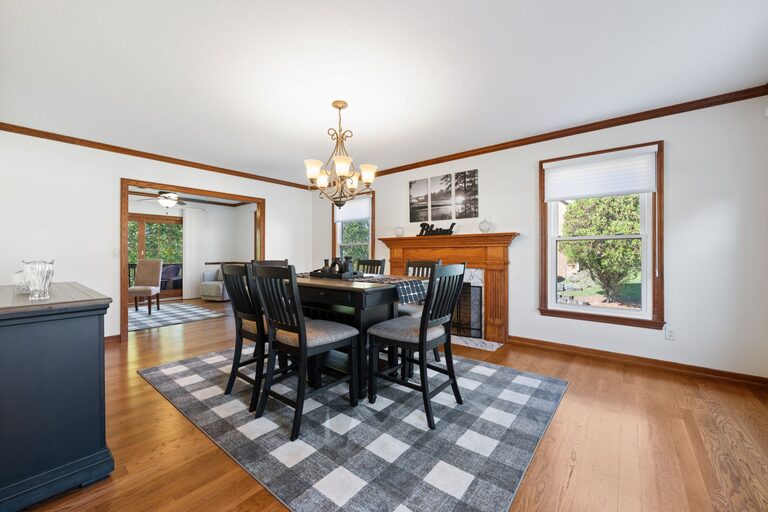
A dark room can feel cozy, but it may also seem smaller, duller, or less inviting than you would like. The good news is that you do not need a major renovation to make it feel brighter. A few thoughtful updates to lighting, color, furniture, and accessories can create a lighter and more comfortable space.
Whether you are refreshing a bedroom, living room, hallway, or home office, these simple ideas can help you make the most of the light you already have.
Start With a Light Color Palette
One of the easiest ways to brighten a dark room is to use lighter colors. Pale shades reflect more light around the space, while darker colors tend to absorb it.
White is a classic choice, but it is not your only option. Consider soft shades such as:
– Warm white
– Cream
– Light beige
– Pale gray
– Soft blue
– Light sage green
– Blush pink
If the room feels cold or lacks natural light, warm whites and gentle beige tones can make it feel more welcoming. Cool whites may work well in rooms with plenty of sunlight, but they can sometimes feel stark in a darker space.
You do not have to repaint every surface. Brightening one wall, the ceiling, or a large built-in feature may be enough to make a noticeable difference.
Do Not Forget the Ceiling
A light ceiling can help create the impression of height and openness. If your ceiling is currently a dark color, consider painting it a soft white or a very pale version of the wall color. This simple change can help reflect light downward and make the room feel less enclosed.
Layer Several Types of Lighting
A single ceiling light rarely provides enough warmth or brightness for an entire room. Instead, use several light sources at different heights. This creates a more balanced and inviting effect.
A useful lighting plan can include:
– An overhead fixture for general light
– Floor or table lamps for focused lighting
– Wall sconces for soft, decorative light
– Under-cabinet lights in kitchens or work areas
– Small accent lights to highlight artwork or shelves
Use warm white bulbs in living areas and bedrooms for a comfortable atmosphere. In workspaces, a neutral white bulb may make it easier to read or focus.
Place lamps in dark corners, beside seating, or near furniture that looks heavy. Lighting these areas can make the room feel more evenly illuminated.
Choose Fixtures That Add Style
Light fixtures can brighten a room visually, even when they are turned off. Look for fixtures with glass shades, light-colored finishes, or open designs. Metallic finishes such as brass, chrome, or brushed nickel can also reflect light and add a decorative touch.
Avoid oversized fixtures in small rooms, as they can make the space feel crowded. A simple pendant, flush-mount light, or slim floor lamp may be a better fit.
Use Mirrors to Reflect Light
Mirrors are a practical way to make a dark room feel brighter and more spacious. They reflect both natural and artificial light, helping it travel farther across the room.
Place a mirror:
– Across from a window
– Near a lamp
– Opposite a light-colored wall
– Behind a console table
– On a narrow hallway wall
A large mirror can create a strong visual impact, but a group of smaller mirrors can work just as well. Choose frames that suit the room without making the wall look too busy.
For the best effect, avoid placing a mirror where it reflects clutter or an unattractive view. Instead, use it to reflect a window, artwork, a light fixture, or another pleasing feature.
Keep Windows Clear
Heavy curtains, crowded windowsills, and dark blinds can block valuable natural light. Make the most of your windows by keeping the area as open as possible.
Try these updates:
– Replace thick curtains with lightweight fabric
– Use curtains in white, cream, or another pale shade
– Hang curtain rods slightly wider than the window
– Mount the rod a few inches above the frame
– Keep blinds and shades open during the day
– Move tall furniture away from the window
If privacy is important, consider sheer curtains layered with adjustable shades. This combination lets you control light without making the room feel closed off.
Clean windows can also make a difference. Dust and smudges reduce the amount of light entering the room, so regular cleaning is a quick and inexpensive improvement.
Choose Furniture With a Lighter Look
Large, dark furniture can make a room feel heavy. You do not necessarily need to replace it, but changing its placement or surrounding it with lighter pieces can improve the overall balance.
When selecting new furniture, consider:
– Light wood finishes
– Cream or neutral upholstery
– Furniture with raised legs
– Open shelving
– Glass or acrylic surfaces
– Slim frames and simple shapes
Furniture with visible legs allows more of the floor to show, creating a sense of openness. Glass coffee tables and open shelves can also reduce visual weight while keeping the room functional.
If replacing furniture is not practical, try using a light-colored slipcover, throw, or cushion to soften a dark sofa or chair.
Add Light-Colored Textiles
Textiles are an easy way to change the mood of a room without making permanent changes. A pale rug, light bedding, or neutral curtains can help brighten the space and make it feel more comfortable.
Good choices include:
– Ivory or beige rugs
– White or pale gray bedding
– Light linen curtains
– Cream-colored cushions
– Soft throws in pastel shades
You can still use deeper colors for contrast. Add them in small amounts through pillows, artwork, or decorative objects rather than covering large surfaces.
If the room already has a dark floor, a light rug can create a bright foundation. Choose a size that fits under the main furniture so the room feels connected rather than divided.
Reduce Clutter and Open Up the Layout
A cluttered room often appears darker because objects block light and create visual noise. Clearing unnecessary items can make the room feel brighter almost immediately.
Begin by removing things that are:
– Rarely used
– Duplicated
– Blocking windows or walkways
– Too large for the room
– Stored on open surfaces without a purpose
Keep frequently used items nearby, but use baskets, boxes, or closed storage to keep smaller objects organized. Leave some open space on shelves and tables so the room can breathe.
Rearranging furniture may also help. Keep pathways clear and avoid placing tall pieces directly beside windows. Sometimes moving a sofa or bookcase by only a few inches can improve the flow of light.
Add Reflective and Natural Accents
Small reflective surfaces can help bounce light around the room. Consider adding glass vases, ceramic accessories, polished metal frames, or a glossy tray. Use these accents carefully so the room feels polished rather than overly shiny.
Plants can also make a dark room feel more lively. Choose varieties that suit the available light, and place them near windows or under suitable lamps. If natural light is very limited, high-quality artificial plants can add color without requiring ongoing care.
Artwork with a light background can brighten a wall while adding personality. Look for prints featuring open landscapes, soft colors, or simple patterns.
Make Small Changes First
You do not have to update everything at once. Start with one or two easy changes, such as replacing dark curtains, adding a floor lamp, or hanging a mirror near a window. Live with the changes for a few days and notice how the room feels at different times.
The most effective brightening plan usually combines several small improvements: lighter colors, layered lighting, clear windows, less clutter, and carefully chosen reflective accents. Together, these updates can make even a naturally dark room feel welcoming, balanced, and comfortable.