
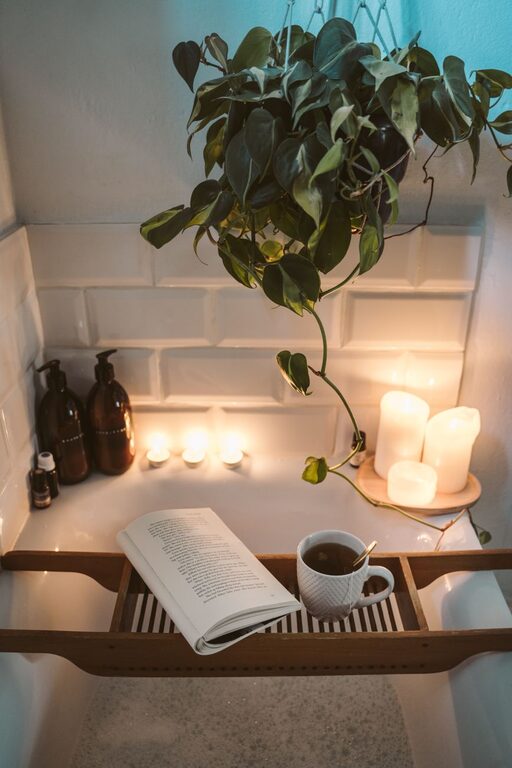
A calmer evening does not require a complete lifestyle change. Often, a few small adjustments can make the hours after work or school feel more manageable and enjoyable. The goal is not to create a perfect schedule. It is to build a flexible routine that helps you shift from the day’s activity into a quieter pace.
Small changes are easier to maintain than major overhauls. By focusing on simple steps—such as dimming the lights, preparing for tomorrow, or putting your phone aside—you can create a sense of order without adding more work to your evening.
Start with a gentle transition
Many people move directly from a busy day into dinner, chores, messages, or entertainment. Without a clear transition, the evening can feel like a continuation of the day rather than a chance to slow down.
Create a short “arrival routine” that marks the end of your main responsibilities. This might take five to ten minutes and could include:
– Changing into comfortable clothes
– Putting keys and bags in their usual places
– Drinking a glass of water
– Opening a window for fresh air
– Taking a few slow breaths
– Playing quiet music
The activity itself matters less than the signal it sends. Repeating the same small actions can help your mind recognize that the day is changing pace.
Reduce decisions before dinner
Evenings often become stressful because they are filled with small decisions. What should you eat? When should you clean up? What needs to be ready for tomorrow? Planning a few details earlier can make the evening feel less crowded.
Try creating a simple list of regular options for dinner, clothing, or household tasks. You do not need a detailed meal plan for every day. Instead, keep a few easy choices available so you are not starting from scratch.
You can also prepare one or two items in advance:
– Wash or cut ingredients
– Set out dishes
– Choose clothes for the next day
– Check the next morning’s schedule
– Place important items near the door
These steps take only a few minutes but can remove several decisions later.
Use light to change the atmosphere
Lighting has a strong effect on how a room feels. Bright overhead lights can make an evening feel active, while softer lighting can make the same space feel more comfortable.
As the evening progresses, try switching off some overhead lights and using lamps instead. A small table lamp, reading light, or warm string of lights can create a more relaxed atmosphere without changing the room.
You can also make lighting part of your routine. For example, turn on a lamp after dinner, then use a smaller light when you begin reading or getting ready for bed. These simple cues help divide the evening into clear stages.
Create a device boundary
Phones, tablets, and computers can make it difficult to notice how quickly the evening is passing. They also encourage constant switching between tasks, messages, videos, and news.
Instead of trying to avoid devices completely, create one or two clear boundaries. You might:
– Charge your phone away from the sofa
– Keep devices out of the bedroom
– Set a time to stop checking messages
– Turn off nonessential notifications
– Use a timer for entertainment
– Choose one screen-free activity each evening
A practical rule is often easier to follow than a strict one. For example, you might decide that your phone stays on a shelf during dinner or that messages are checked only once after the evening meal.
The purpose is not to remove all technology. It is to make room for activities that have a slower rhythm.
Make tidying easier
A cluttered room can make it harder to settle down, but evening cleaning does not need to become a major project. Focus on restoring order in the areas you use most.
Try a five-minute reset before relaxing. Put away items that are out of place, clear the main surface, and prepare anything you will need in the morning. If you live with others, invite everyone to handle a small part of the reset.
Keep the process simple by using baskets, trays, or dedicated spots for commonly misplaced items. The easier it is to put something away, the more likely the habit is to last.
Do not aim to clean the entire home every night. A small, visible improvement can be enough to make the room feel more peaceful.
Choose calming activities with a clear ending
Some evening activities are relaxing but can easily continue for hours. Choose options that help you slow down and have a natural stopping point.
Good choices might include:
– Reading a few pages of a book
– Stretching gently
– Taking a warm shower
– Writing in a journal
– Completing a simple puzzle
– Listening to quiet music
– Preparing tea or another favorite drink
– Doing a small craft
It can help to decide in advance how long you want to spend on an activity. Reading one chapter or journaling for ten minutes gives the activity a clear shape. This makes it easier to enjoy without feeling that you have lost track of time.
Prepare tomorrow before you relax
A short preparation period can prevent tomorrow’s tasks from filling your thoughts later. Set aside five to fifteen minutes to review what is ahead and handle only the most useful details.
You might check your calendar, pack a bag, prepare breakfast items, or write down the first task for the morning. Keep the list short. The goal is to create a smoother start, not to complete every possible task.
Once the essentials are ready, give yourself permission to stop planning. A routine works best when it includes a clear point at which responsibilities are finished for the day.
Keep the routine flexible
A calming routine should support your life, not become another source of pressure. Some evenings will be busy, social, or unpredictable. On those days, choose one small action instead of trying to follow the full routine.
For example, you might dim the lights, prepare your clothes, or spend five quiet minutes without a screen. These small choices still maintain the feeling of a transition.
It may also help to create two versions of your routine:
A full routine
This might include dinner preparation, a short tidy, tomorrow’s preparation, a relaxing activity, and a quiet final hour.
A quick routine
This could be as simple as putting away your belongings, setting an alarm, and spending a few minutes in a comfortable, quiet space.
Having a shorter option makes the routine easier to continue during demanding weeks.
Build a routine that feels like yours
The most effective evening routine is one that fits your home, schedule, and preferences. You do not need to copy someone else’s habits. Start by noticing which part of your evening feels most rushed or disorganized, then choose one small change to address it.
Keep the change for several days before adding another. This gives you time to see whether it genuinely helps. A calmer evening may come from softer lighting, fewer decisions, a cleaner surface, or simply a few quiet minutes without interruptions.
With consistent, realistic steps, your evening can become a more comfortable space between the demands of the day and the rest you need.